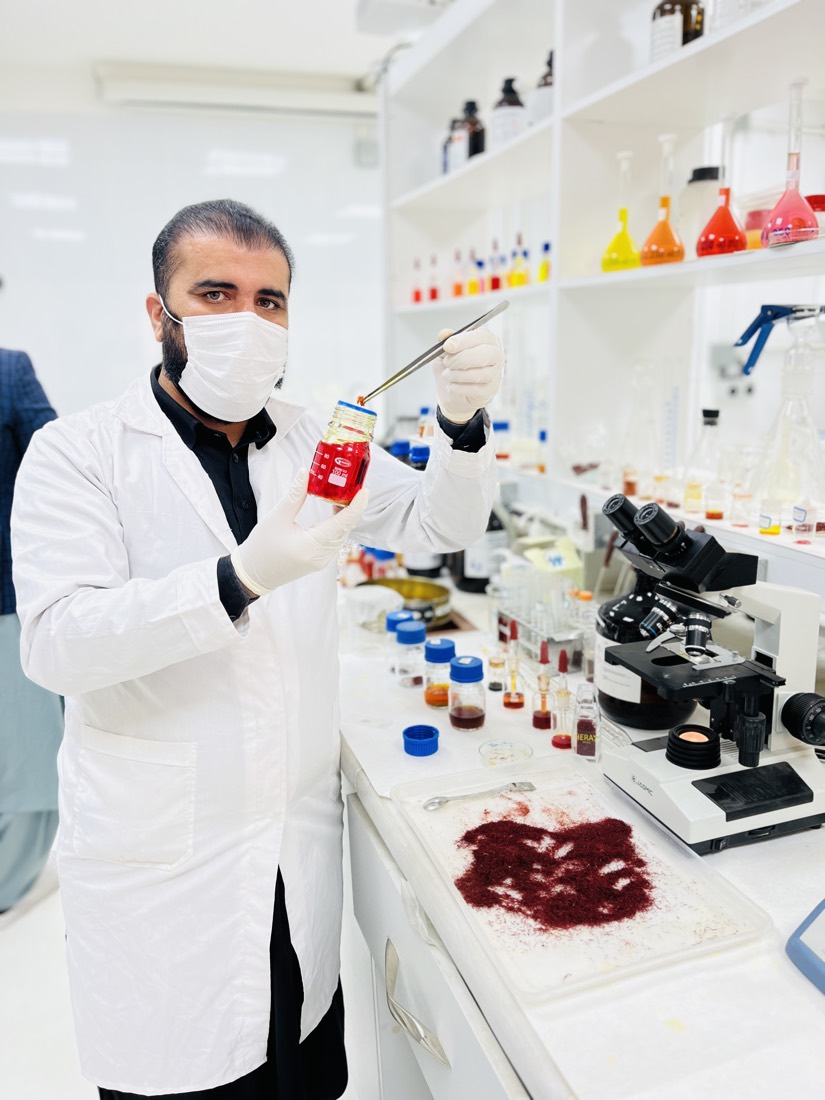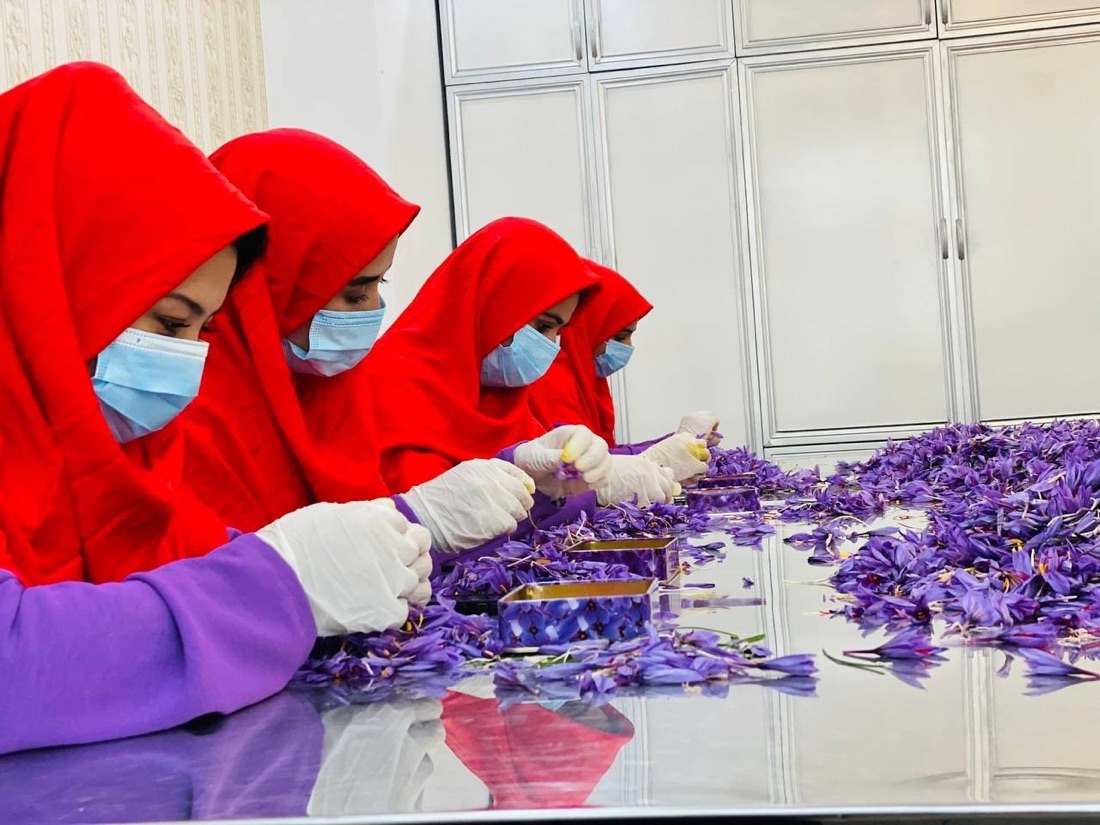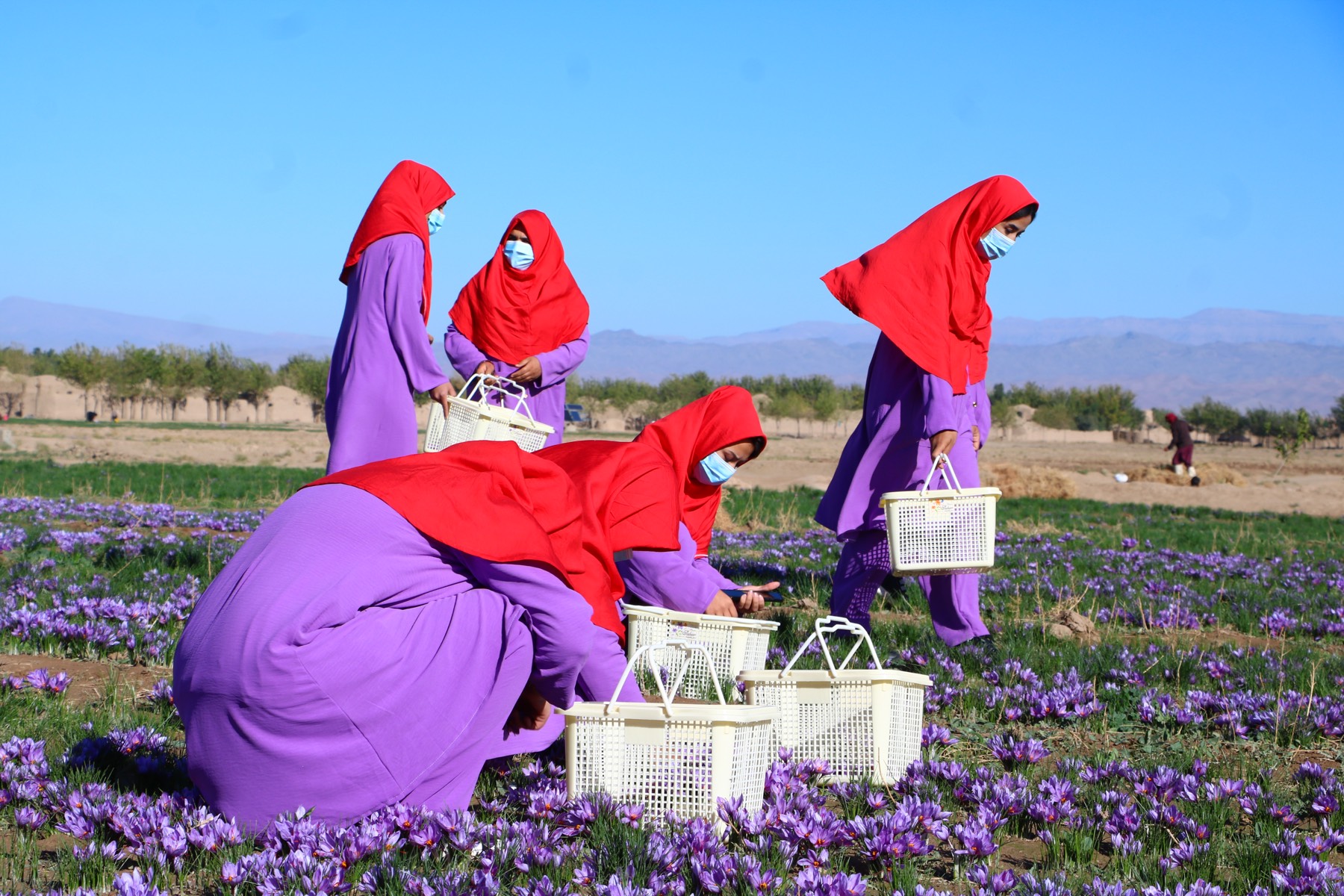
Behind-the-scenes from the harvest, quality guides for buyers, and deep dives into the world's most valuable spice.
Written by the Aqiq Saffron team — agronomists, graders, and export specialists who work with Afghan saffron every day.
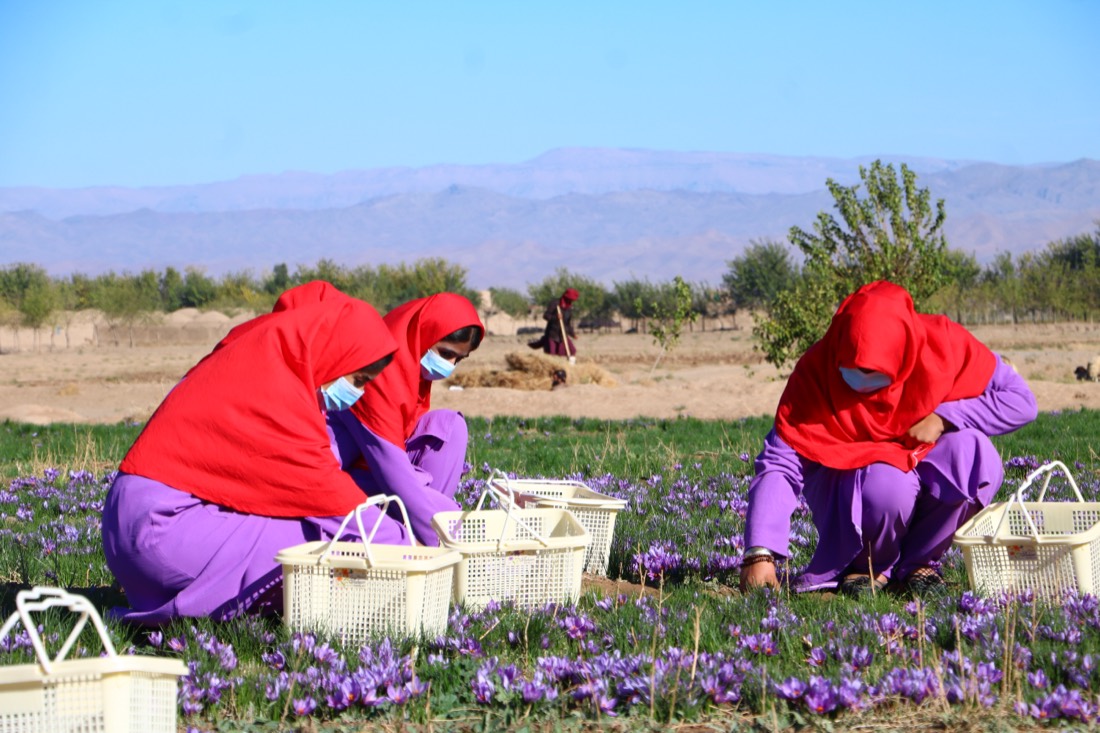
Each October, a two-week window opens in the highlands of Herat. Everything we do for the rest of the year leads to those fourteen mornings of careful, urgent, irreplaceable work.
Read article →Quality guides, sourcing insights, heritage stories, and practical advice for wholesale buyers and food brands.
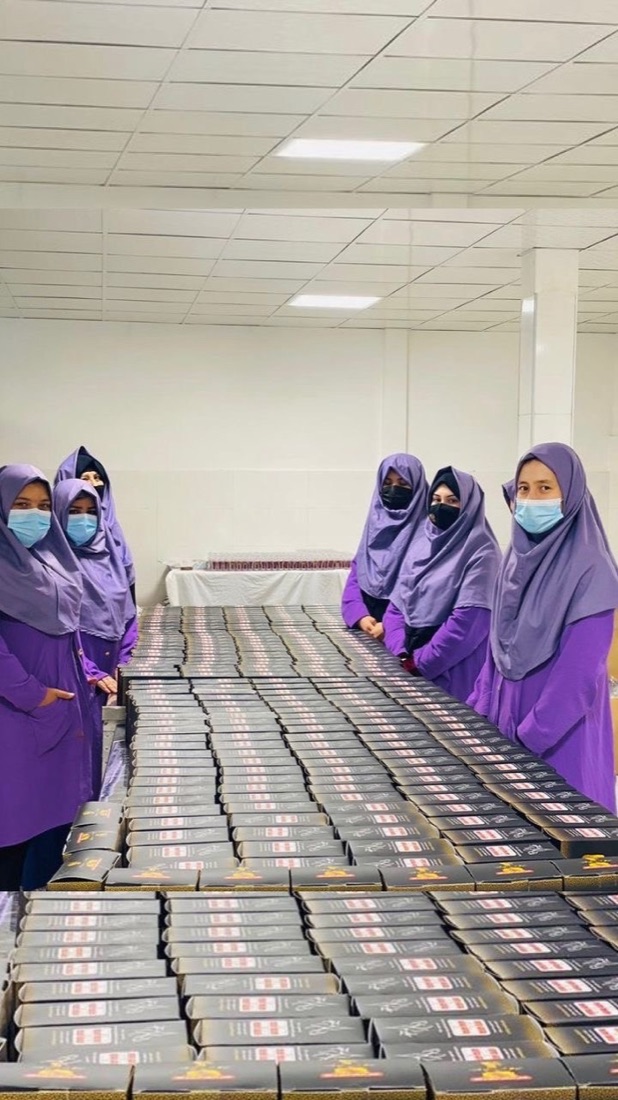
Containers, shelf life, refrigeration, and the five enemies of saffron — how to preserve aroma, flavor, and color for years.
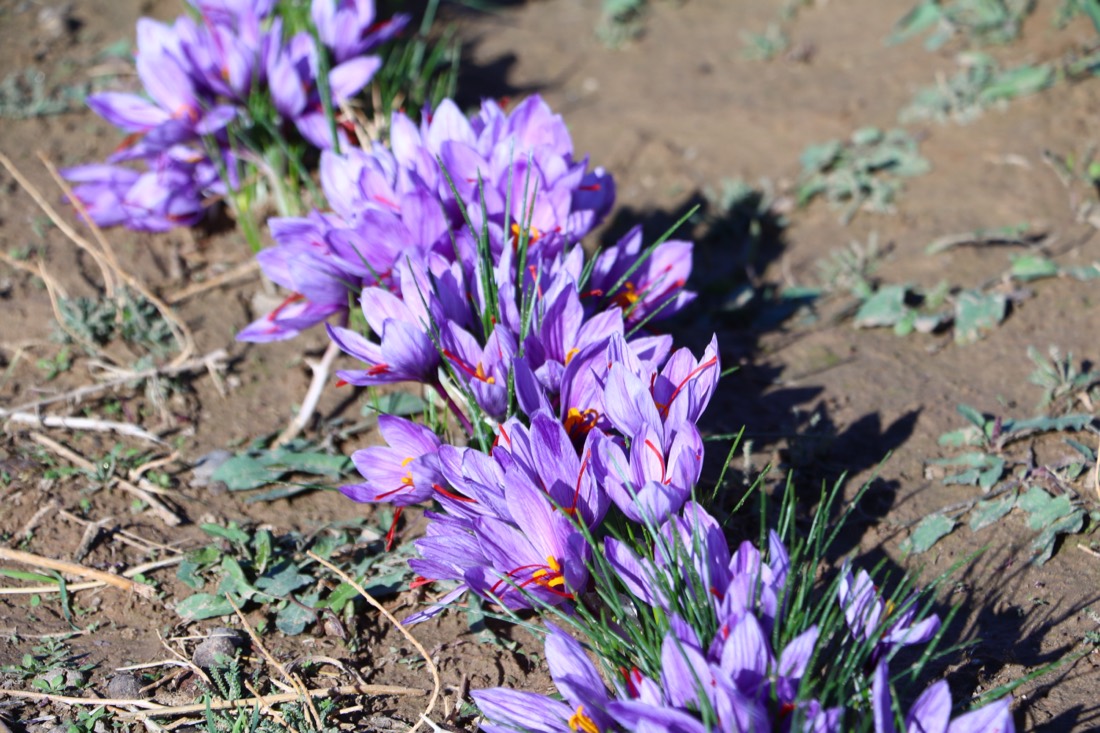
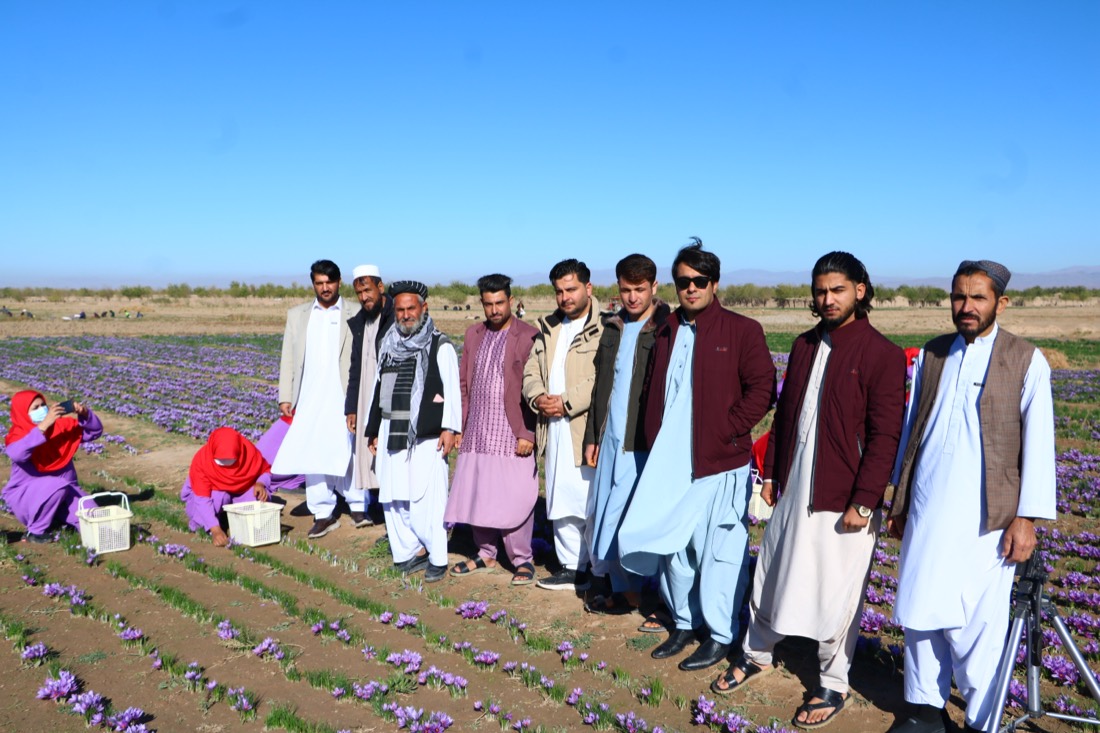
What happens in the Herat highlands during October's two-week flowering window — and why every hour matters.
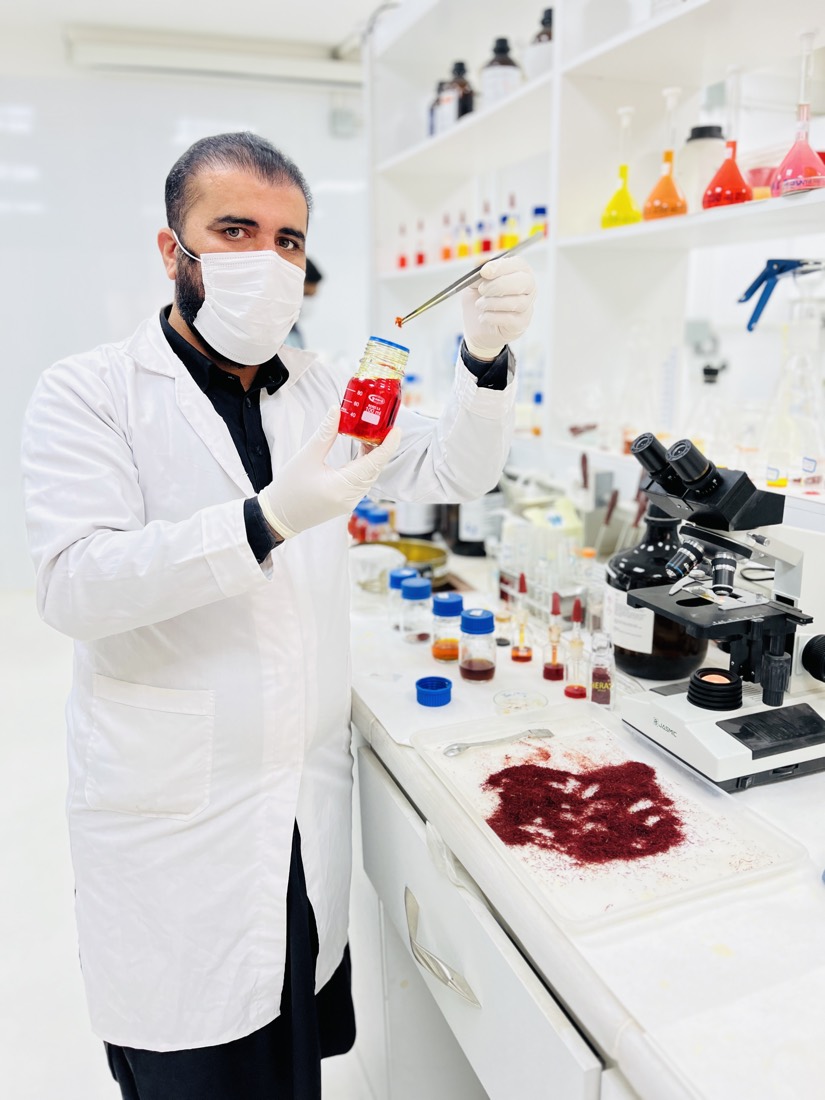
Crocin, picrocrocin, safranal — what each number means, what Category I really guarantees, and what to ask for on every COA.
The difference is more than price. Here's how to match grade to application — from luxury retail to high-volume food production.
Seven centuries of cultivation, a microclimate unlike anywhere else, and the farming families that kept Afghan saffron alive.
Safflower threads, artificial dyes, added moisture weight — how adulteration works and why a COA alone isn't always enough.
MOQs, lead times, packaging formats, and what to specify in your brief — everything you need before placing a private-label order.
Request a wholesale quote, a sample shipment, or talk to our export team about your specific requirements.