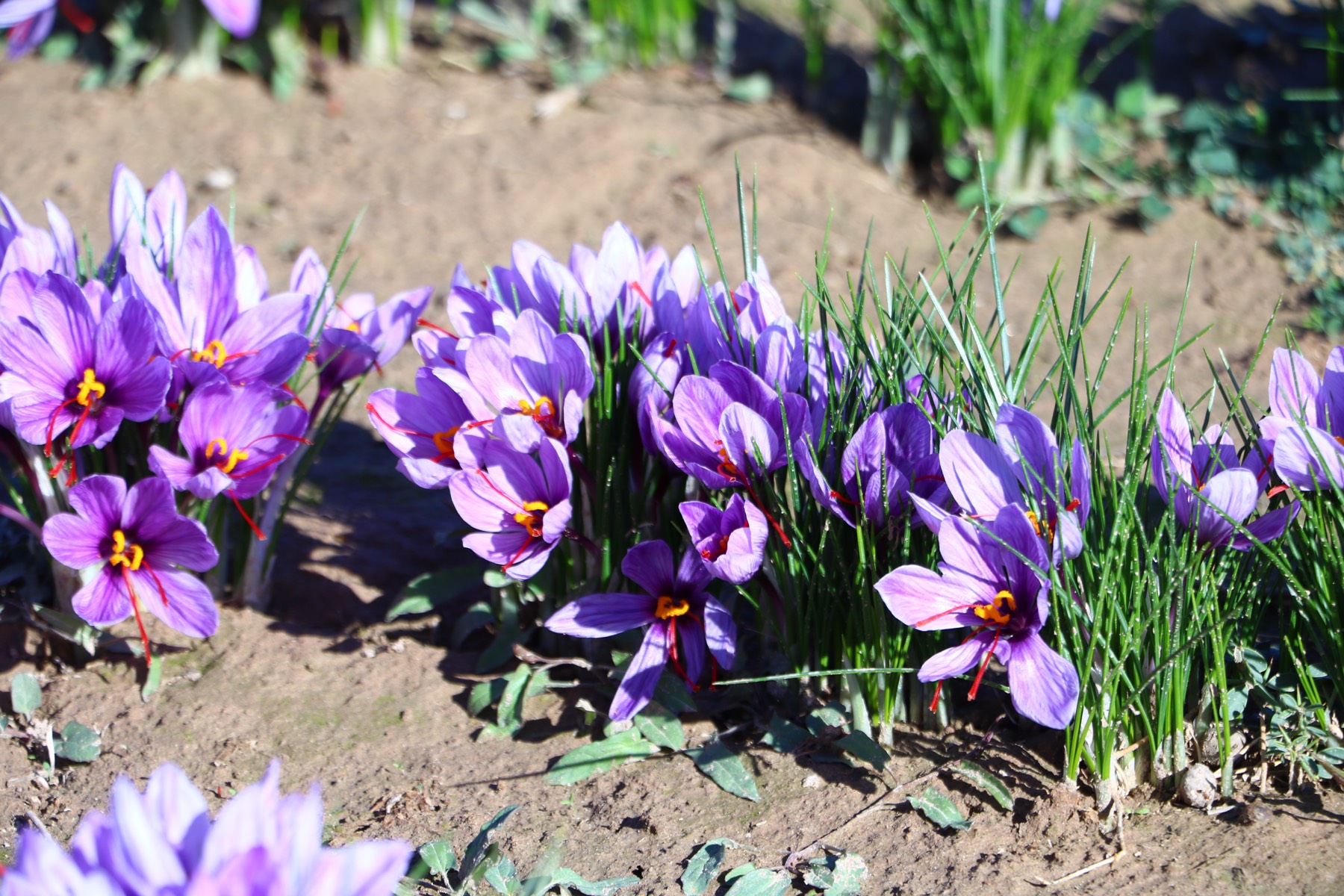

Saffron is one of the world’s most valuable spices, prized for its vibrant colour, distinctive aroma, and unique flavour. It is also delicate, and improper storage quietly strips away the qualities you paid for.
Knowing how to store saffron properly is the difference between a spice that performs for years and one that fades in months. This guide is how to store saffron the right way, from a single jar to a full pallet.
At Aqiq Saffron, we supply premium Afghan saffron to importers, wholesalers, retailers, and food manufacturers worldwide. This guide covers everything from the right container to bulk commercial storage, so every gram holds its value.
The five enemies of saffron — light, heat, moisture, air, and strong odours are what break saffron down over time. Protect against all five and a well-dried batch will hold its aroma and coloring strength for two to three years.
Why Storage Decides Saffron’s Value
Saffron’s worth lives in three fragile compounds: crocin for colour, safranal for aroma, and picrocrocin for flavour. All three degrade when exposed to the five enemies, and once they are gone, no amount of careful cooking brings them back.
Even the finest Category I saffron loses its edge in bad conditions. Premium thread stored in a sunny kitchen can fall behind mediocre thread kept properly within a year.
This is why storage is not an afterthought. It is the last step of the quality chain that began in the field — the same chain measured in ISO 3632 grading.
The Best Container for Saffron
The container is your first line of defence against light and air. Not all are equal.
What to use
- Dark glass jars — amber or cobalt glass blocks light while staying airtight and odour-free.
- Food-grade metal tins — block light completely; ideal if the seal is tight.
- Vacuum-sealed or nitrogen-flushed packaging — the gold standard for long-term and commercial storage, because it removes the air entirely.
What to avoid
- Clear glass — lets light bleach the threads unless kept in a dark cupboard.
- Plastic bags and tubs — hold static, can carry odours, and rarely seal fully airtight.
- Paper or cardboard alone — breathes, which is exactly what you do not want.
Whatever the container, keep the fill high and the air low. A large jar holding a few threads is mostly air, and air is one of the five enemies.
Where to Store Saffron
The right container in the wrong place still fails. Location matters as much as packaging.
Choose a cool, dark, dry cupboard — a pantry or a closed spice drawer is ideal. Aim for a stable temperature; swings do more harm than a slightly warm but steady shelf.
Keep saffron away from the three hot, humid, or bright spots most kitchens have:
- Above or beside the stove and oven
- On a windowsill or any sunlit counter
- Next to the kettle, dishwasher, or sink, where steam gathers
Also store it away from powerful aromatics like coffee, cumin, and cloves. Saffron readily absorbs neighbouring smells, and an airtight lid is what keeps its own aroma in and others out.
Should You Refrigerate Saffron?
For most people, no. A cool dark cupboard is enough, and the fridge introduces a real risk: condensation.
Every time a cold jar meets warm air, moisture can form inside — and moisture is one of the five enemies. If the seal is not perfect, refrigeration does more harm than good.
There is one exception. In very hot, humid climates, refrigeration can help, but only under strict conditions:
- Use a genuinely airtight container, ideally vacuum-sealed.
- Let the sealed jar return to room temperature before opening it, so condensation forms on the outside, not on the threads.
- Never return warm, opened saffron to the fridge repeatedly.
Can You Freeze Saffron?
You can, for long-term storage, but it is rarely necessary. Properly stored saffron already lasts two to three years at room temperature.
If you do freeze it, the rules are the same as the fridge, only stricter. Freeze in a fully airtight, moisture-proof container, portioned so you thaw only what you need.
The enemy is the thaw, not the freeze. Let the container reach room temperature fully sealed before opening, and never refreeze a portion once thawed — each cycle invites the condensation that ruins the thread.
How Long Does Saffron Last?
Stored well, saffron keeps its premium quality for two to three years, and it remains safe to use beyond that. What changes is potency, not safety.
Saffron does not rot. Instead its colour, aroma, and flavour fade slowly, so old saffron simply asks you to use more thread for the same result — which erodes the value of buying premium in the first place.
Whole threads outlast powder. Grinding exposes far more surface area to air and light, so if you are storing for the long term, keep the threads whole and grind only when you cook. More on that in our guide to using saffron threads.
Storing Saffron in Bulk and Commercially
For importers, manufacturers, and retailers, storage is a matter of protecting inventory value at scale. The principles are the same; the discipline is tighter.
- Keep it in the original sealed packaging until the moment of use. Every opening lets in air and moisture.
- Rotate on first-in, first-out. Sell or use the oldest lots first, tracked by lot code and harvest date.
- Portion large lots into working quantities, so the bulk stock is never repeatedly exposed.
- Control the warehouse. Cool, dark, dry, and stable, away from loading-dock heat and humidity.
- Use vacuum or nitrogen-flushed packaging for anything held long term.
This is why we ship in food-grade, sealed, lot-coded packaging built to protect the thread in transit and storage. See the formats on our private label and wholesale pages.

Signs Your Saffron Has Degraded
You can judge stored saffron with your own senses before it reaches a dish.
- Faded colour — deep red has dulled toward brown or pale orange.
- Weak aroma — the sweet, hay-like scent is faint or gone.
- Brittle, dusty threads — excessive crumbling and powder at the bottom of the jar.
- Slow colour release — it takes far longer to bloom, or the water stays pale.
None of these make saffron unsafe, but together they say the same thing: potency has dropped, and it is time for a fresh lot.
Why Afghan Saffron Quality Depends on Proper Storage
Premium Afghan saffron is internationally recognised for its aroma, coloring strength, and flavour. Even the finest thread depends on proper storage to keep those qualities from the field to the plate.
By following the practices above, consumers and businesses ensure that Afghan saffron delivers its full quality and value throughout its shelf life — and that the premium you paid for is the premium you actually use.
Frequently Asked Questions
How should saffron be stored?
Saffron should be stored in an airtight container away from light, heat, moisture, and strong odours. Dark glass jars and food-grade metal tins in a cool, dark cupboard are among the best options.
Does saffron expire?
Saffron does not spoil quickly, but its aroma, flavour, and coloring strength gradually decrease. Stored properly, it holds excellent quality for two to three years and remains safe to use beyond that, just weaker.
Can saffron be refrigerated?
Usually it is unnecessary. In very hot, humid climates refrigeration can help, but only in fully airtight packaging, and you must let the sealed container reach room temperature before opening to avoid condensation.
Can you freeze saffron?
Yes, for long-term storage, though it is rarely needed. Use an airtight, moisture-proof container, portion it, thaw it fully sealed to room temperature, and never refreeze once opened.
What is the best container for saffron?
Dark glass jars, food-grade metal tins, and vacuum-sealed or nitrogen-flushed packaging give the best protection against light, moisture, and air.
How can I tell if my saffron has gone bad?
Look for faded colour, weak or absent aroma, excessive brittleness, and slow colour release when blooming. These signal lost potency rather than spoilage, and mean it is time for a fresh lot.
A Quick Saffron Storage Checklist
Everything above in one glance. If you do only these, your saffron will keep its value:
- Store in an airtight dark glass jar or metal tin, filled high with little air.
- Keep it in a cool, dark, dry cupboard, away from the stove, windows, and steam.
- Keep it away from strong-smelling spices; saffron absorbs odours.
- Skip the fridge unless your climate is hot and humid, and only if sealed airtight.
- Keep threads whole and grind only when you cook.
- Use it within two to three years, oldest lots first.
Start With Properly Stored, Lab-Tested Saffron
Good storage protects quality; it cannot create it. Begin with single-origin Herat saffron, hand-harvested and lab-tested to ISO 3632, packaged to survive the journey to you.
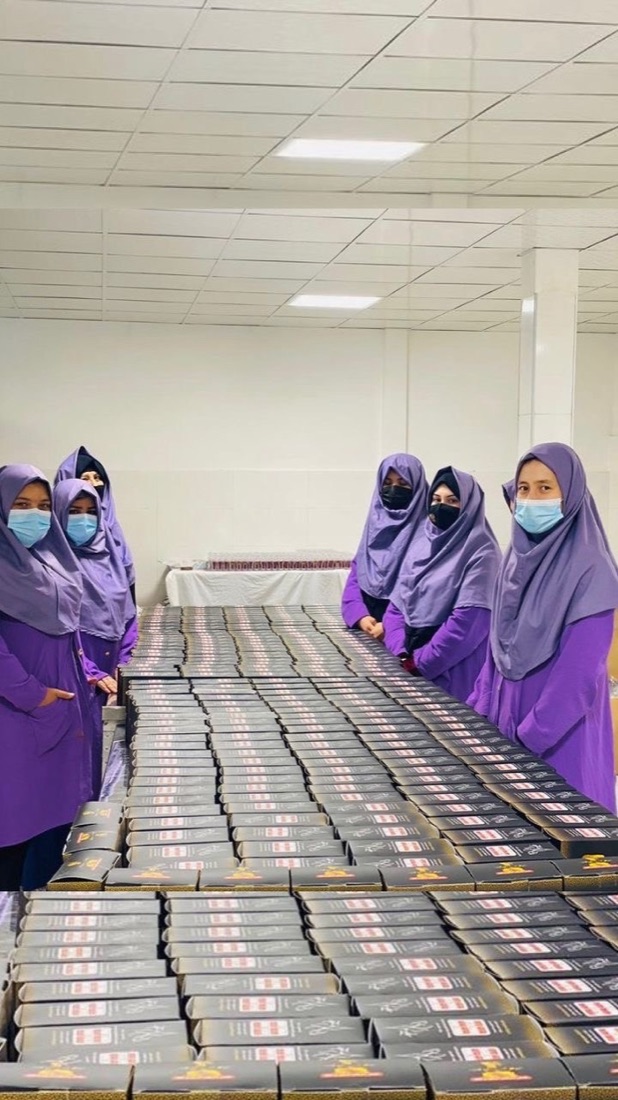
We send a sample worldwide with the Certificate of Analysis for the lot.